What a slow drain means
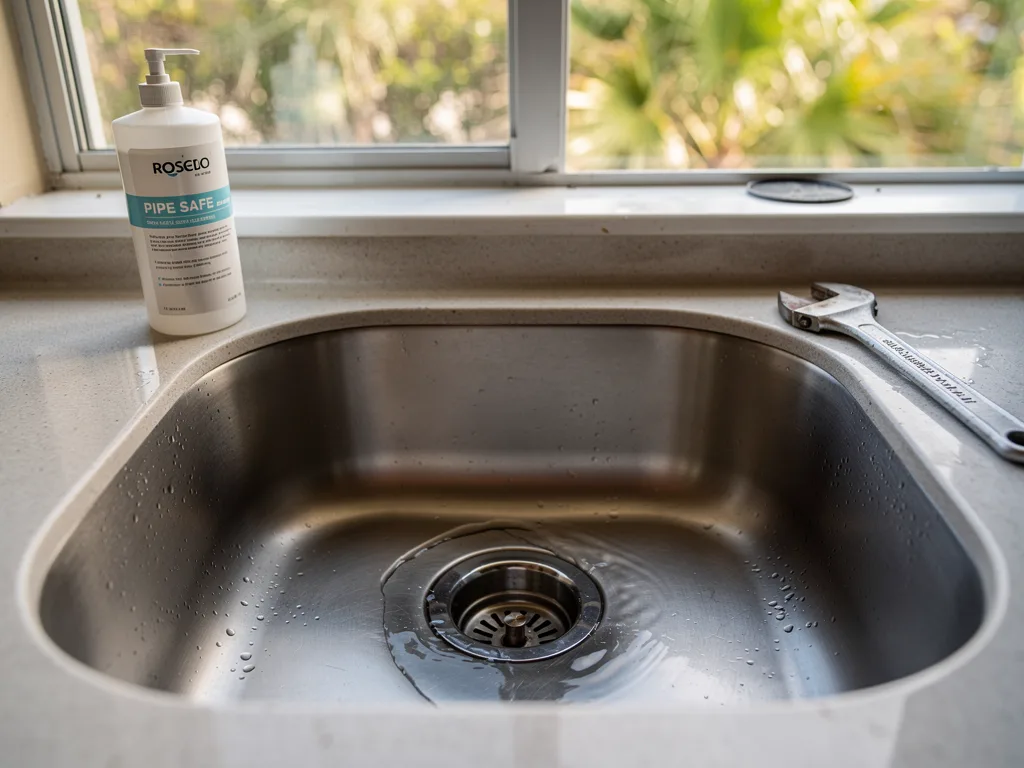
When water lingers in sinks, tubs, or showers after you use them, it’s a hint that something is not moving as it should. It can be hair, soap residue, grease, or mineral buildup that gradually narrows the path for water and waste. Across the United States, homeowners see this issue in kitchens and bathrooms alike. The key is to notice change rather than wait until a backup happens.
Don’t assume a quick squeeze and rinse is enough. A slow drain often starts small and grows with every use. The more you put through the line, the more likely the clog becomes. Filbert Plumbing teams across the country see this pattern, and we’ve learned to tell the difference between a temporary slowdown and something that needs a plan.
Simple checks you can perform
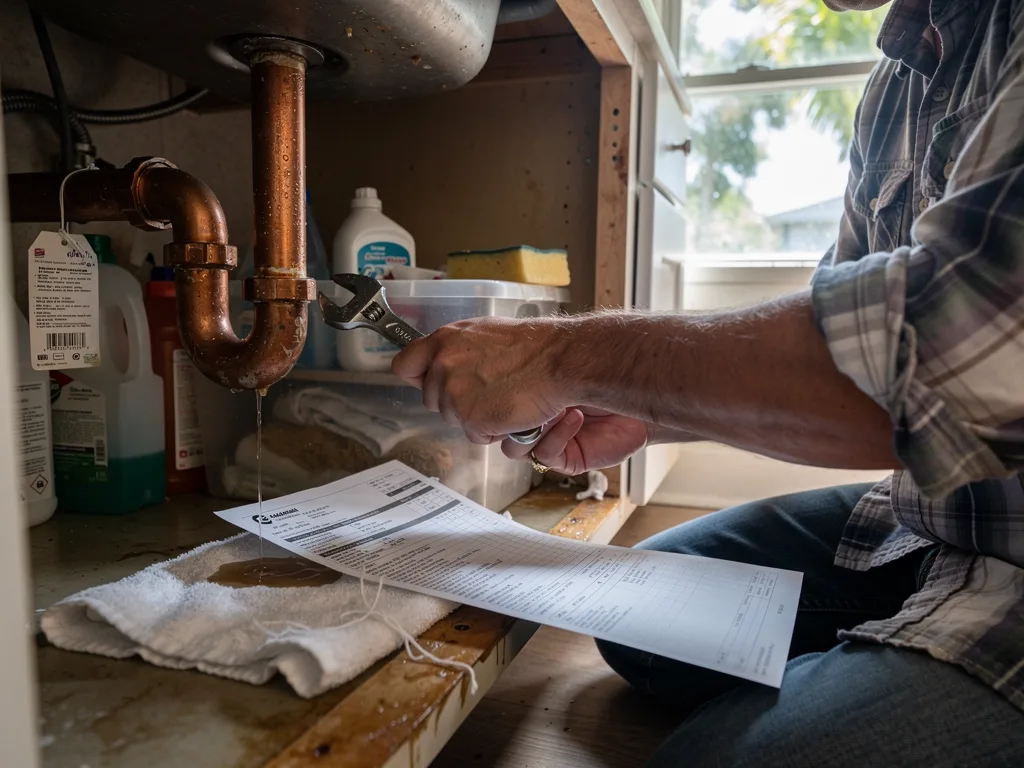
First, test all fixtures on the same level. A single slow drain may be local to that fixture, but a shared line often means a crossover between fixtures. Remove the strainer, if you can, and inspect for visible debris. Use a plunger designed for the fixture to feel for resistance. If a plunger clears a nearby basin but not the problem spot, there’s more going on deeper in the line.
Look for signs of a wider issue: gurgling sounds, unusually strong odors, or standing water in the trap area after draining. These clues point to a partial blockage or a trap that needs inspection. Filbert Plumbing technicians are trained to evaluate these signals without overreacting. We lean toward transparent quotes and a clear plan when we assess a slow drain.
When to call a pro
If a plunger or basic cleaning doesn’t improve the drain within a few hours, it’s time to bring in a pro. A clog that resists consumer remedies can hide in the main line or a deeper bend. Professionals use imaging tools to see what’s happening beyond the P-trap, and they bring the right tools to restore flow without damaging pipes.
Filbert Plumbing offers a clear, no-surprise inspection for slow drains. Our nationwide crews work with transparent quotes and practical options, so you know what you’re paying for before any work begins. Across the United States, this is how we keep your home moving without guesswork.
Prevention to save trouble down the line
Keep drains clear by using a mesh strainer and avoiding pouring grease or coffee grounds down the drain. Run hot water for a few seconds after every use to help wash away residue. In areas with hard water, consider a monthly flush with a simple mixture of baking soda and vinegar, followed by hot water. If you notice recurring slow drains, a pro assessment can prevent bigger problems later on.
Practical tips from our national team
- Label fixtures that share a drain so you know when a problem arises in one part of the system.
- Schedule seasonal checks to catch buildup early in kitchens and bathrooms.
- Keep a simple maintenance kit on hand for quick, non-invasive fixes.